Never Allow Leaks to Damage Your Home: Why Timely Water Line Repair Matters
Water line leaks frequently remain undetected until they result in considerable damage. Homeowners often ignore subtle warning signs, believing them to be insignificant. Nevertheless, these small problems can worsen rapidly, resulting in expensive repairs and potential health hazards. Appreciating the value of early response is vital for sustaining a secure and well-maintained home. The outcomes of neglecting these concerns can be significant, underscoring the necessity of exploring how to resolve these challenges efficiently.
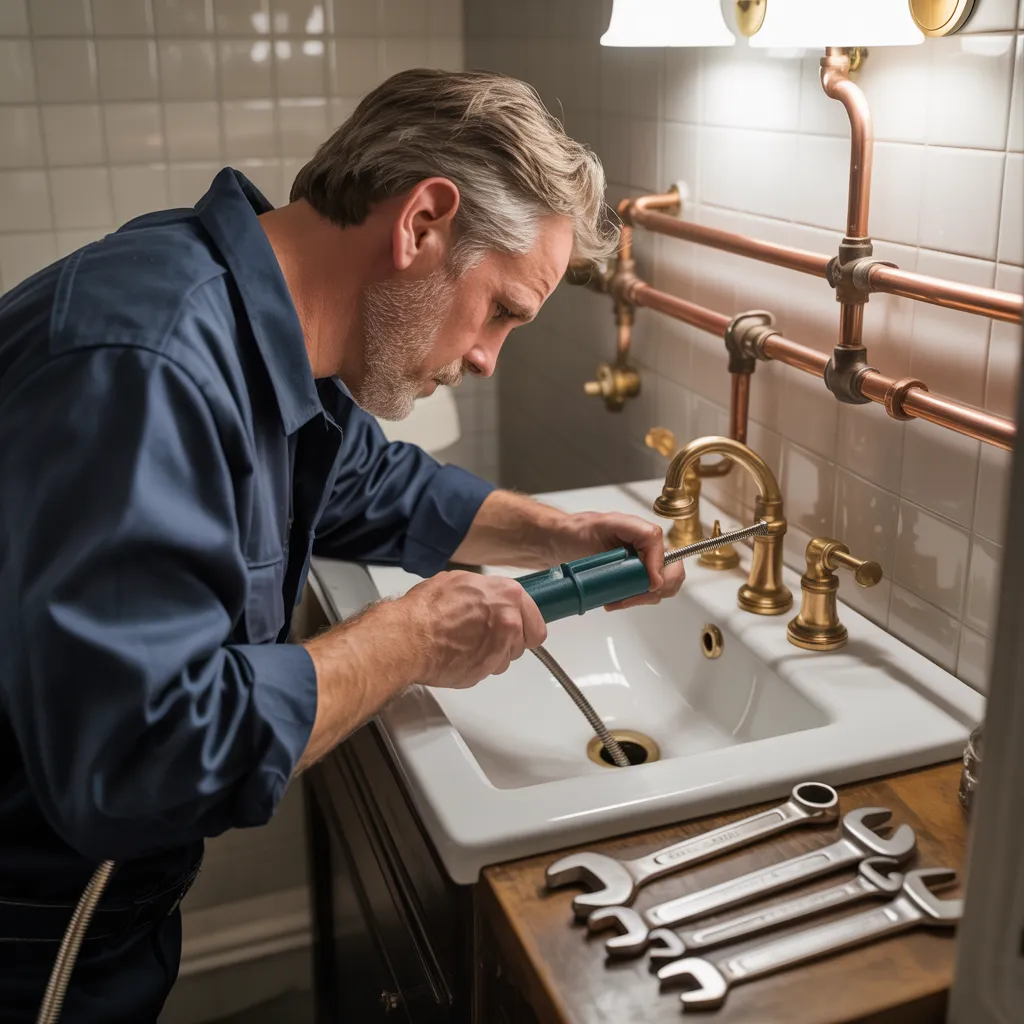
Identifying the Early Warning Signs of Water Line Problems
How do homeowners detect possible water line concerns before they become serious? Spotting the early indicators is key to preventing costly repairs. Homeowners should regularly check for damp spots on walls or ceilings, which may indicate hidden leaks. Sudden and unexplained rises in water bills may also indicate an issue, since they imply water is being lost somewhere in the system. Additionally, unusual sounds, such as hissing or gurgling from pipes, can hint at underlying issues.
Another warning sign includes the presence of mold or mildew, which flourishes in damp environments and can result in health hazards. Homeowners should also monitor their water pressure; a abrupt decline may indicate a leak. Routinely checking exposed pipes for corrosion or discoloration can additionally aid in early detection. By staying vigilant and addressing these signs promptly, homeowners can mitigate potential water line issues before they develop into serious concerns.
The Costs of Ignoring Water Leaks
Ignoring water leaks can result in considerable financial burdens for homeowners, as the costs build up over time. Early on, a small leak may seem trivial, but it can quickly escalate into a considerable cost. Water costs can surge due to ongoing water loss, leading to monthly payments that burden household budgets. Additionally, long-lasting leaks can harm the structural integrity of the home, resulting in costly repairs for mold, wood rot, or foundation issues.
Insurance premiums are likely to go up as home dwellers file claims, adding to financial burdens. The possible requirement for complete pipe replacement can add thousands to the final bill. In addition, if leaks remain untreated, they can interfere with day-to-day routines, necessitating temporary housing or significant restoration work. Ultimately, the costs associated with neglecting water leaks extend far beyond initial financial outlays, affecting both financial stability and property condition in the long run.
Health Dangers Resulting From Untreated Water Leaks
Unaddressed water leaks present considerable health risks, largely because of the development of mold and structural deterioration. Mold is able to grow rapidly in moist conditions, causing respiratory problems and additional health concerns. Additionally, the structural integrity of a building may be compromised, leading to increased risks and structural problems.
Mold Growth Risks
When water leaks remain unresolved, the risk of mold growth rises substantially, posing grave health concerns. Mold thrives in damp environments, and leaks create perfect conditions for growth. Extended contact with mold can lead to pulmonary complications, allergic reactions, and other health complications, particularly for at-risk individuals such as children, the elderly, and individuals with pre-existing conditions. Indicators often include coughing, sneezing, and skin irritation, often aggravating asthma and other respiratory ailments. Additionally, particular mold varieties produce mycotoxins, which can have serious prolonged consequences for health. Swift remediation of water lines is essential not only to prevent structural damage but also to mitigate these health risks associated with mold growth, ensuring a safer living environment for all occupants.
Structural Damage Worries
Water leaks not only promote mold development but also cause substantial structural damage. When water seeps into walls, floors, and foundations, it degrades materials, causing a reduction in structural integrity. Over time, untreated leaks can cause wood to rot, metal to corrode, and concrete to crack. Such deterioration not only diminishes visual appeal but can also give rise to dangerous living conditions. Additionally, structural issues may escalate repair costs, making timely intervention vital. Property owners must acknowledge that unresolved leaks can cause significant damage, potentially demanding extensive renovations or even total rebuilding. Therefore, resolving water line problems quickly is crucial to preserving both the safety and value of a home, protecting it from the lasting effects of uncontrolled water damage.
Why Timely Water Line Repairs Preserve Your Home's Value
Regular water line repairs are vital for protecting a home's overall worth. By preventing structural damage, homeowners can avoid costly repairs and maintain their property's market appeal. Tackling water issues without delay not only preserves the physical condition of the home but also improves its long-term investment prospects.
Prevent Structural Damage
Ignoring water line problems can result in significant structural damage, compromising the stability of a residence. Once leaks develop, water can infiltrate foundations, walls, and floors, leading to rot, mold development, and deterioration of structural components. As time passes, this moisture accumulation can lead to expensive repairs and even endanger the safety of the home. Early detection and timely repairs are vital in mitigating these risks. Homeowners who address water line problems promptly can avoid widespread harm that might not be readily apparent. By ensuring that water lines are functioning properly, homeowners preserve both their property and the welfare of everyone residing within. Timely repairs are a key investment in maintaining a sound, secure living environment.
Protect Property Value
Addressing water line issues promptly not only preserves a home's foundational stability but also contributes greatly to maintaining its property value. When problems are left unresolved, potential buyers may consider the residence as inadequately cared for, leading to diminished marketability. Water damage can also lead to mold growth, which further diminishes the home's appeal. Prompt fixes show to prospective buyers explore this topic that the property has been properly looked after, improving its desirability and market standing. Additionally, keeping water lines in good condition can contribute to a higher appraisal value, ensuring that homeowners recoup their investments when selling. By making water line maintenance a priority, homeowners protect not only their living environment but also their financial interests.
Avoid Costly Repairs
Timely intervention on water line repairs can keep minor concerns from turning into major, expensive complications. Ignoring minor leaks or deterioration can lead to extensive water damage, mold growth, and structural issues, ultimately requiring costly restoration work. Homeowners may face skyrocketing repair bills if these issues are not corrected immediately. Additionally, delayed repairs can diminish a property's market value, making it less appealing to prospective purchasers. Regular maintenance and timely repairs help preserve both the integrity of the home and its financial worth. By focusing on immediate repairs, residents defend their financial stake, ensuring that their property remains protected, efficient, and desirable. In the end, preventive steps against water line problems encourage lasting financial benefits and comfort.
How to Handle a Leak When You Find One
When a leak is discovered, immediate action is essential to prevent further damage. The primary step is identifying the leak's source, which may require examining faucets, appliances, or pipes. When the origin is determined, the main water valve should be shut off to limit the chance of water damage. Next, it is important to contain any water that has already escaped; towels or buckets can be used to temporarily control the situation.
Should the leak be considerable, calling a professional for assessment and repair is imperative. Documenting the leak with photographs can be beneficial for insurance claims. Additionally, homeowners should consider checking for any visible mold or water damage to address all potential issues promptly. Ultimately, keeping up with a regular inspection schedule of plumbing systems can help with early leak identification, guaranteeing the home stays safeguarded against future water-related issues. Implementing these actions minimizes harm and maintains the overall integrity of the home.
Tips for Picking the Best Specialist for Your Water Line Repair
How can homeowners make certain they hire the most qualified professional for water line repair? To begin with, it is crucial to look for licensed and insured contractors, as this ensures adherence to local regulations and offers protection from potential liabilities. It is also advisable for homeowners to ask about the contractor's background and expertise in water line repairs, as specialized knowledge can significantly influence the quality of the results.
Reviewing online feedback and collecting references can offer insight into the reputation of the contractor. Moreover, it is recommended to acquire multiple estimates to assess rates and completion schedules. This method can help identify reasonable rates and avoid overpriced services.
Finally, homeowners should ask about warranties covering both labor and materials, ensuring peace of mind regarding future issues. By following these steps, homeowners are able to make well-informed choices and identify a competent specialist for their water line restoration needs, effectively protecting their property from additional damage.
Questions We Often Receive
How Can I Prevent Future Water Line Leaks?
Routine upkeep, including inspecting pipes for wear, ensuring proper insulation, and monitoring water pressure, can greatly reduce the chance of potential water line leaks. In addition, promptly addressing minor issues can prevent larger problems down the line.
What Causes Water Line Leaks Most Commonly?
Frequent factors of water line leaks involve old pipes, corrosion, temperature fluctuations, soil movement, and improper installation. Every one of these factors has the potential to undermine the integrity of the water lines, causing potential failures and costly water damage if left unaddressed.
How Frequently Should I Check My Water Lines?
Checking water lines every six months is recommended to identify potential problems before they worsen. Regular checks can prevent significant damage, maintaining the reliability of plumbing systems and upholding the overall safety and efficiency of your home.
Am I Able to Fix a Water Line Leak Myself?
Certainly, a homeowner can fix a water line leak themselves, provided they have the essential knowledge and tools. Nonetheless, professional assistance is advised for complicated problems to guarantee safety while avoiding additional damage.
What Tools Do You Need for Water Line Repairs?
Key tools needed for water line repairs consist of adjustable pliers, a pipe wrench, a hacksaw, Teflon tape, a pipe cutter, and a soldering kit. Protective equipment such as gloves and goggles is strongly advised to ensure safety during repairs.